


Choosing between Business Analytics vs MBA is a common challenge for students and working professionals looking to build a successful career in 2026. Both options offer excellent career growth, competitive salaries, and opportunities across various industries. However, the right choice depends on your career goals, interests, skills, and long-term aspirations.
Business Analytics focuses on analyzing data and generating insights to help organizations make informed decisions, while an MBA focuses on management, leadership, strategy, and business operations. As companies increasingly rely on data-driven decision-making, Business Analytics has become one of the fastest-growing career fields. At the same time, MBA remains a highly respected qualification for leadership and management roles.
In this guide, we compare Business Analytics vs MBA to help you determine which path is best for your future.
What is Business Analytics?
Business Analytics is the process of collecting, analyzing, and interpreting business data to improve decision-making and organizational performance.
Professionals in this field use tools such as:
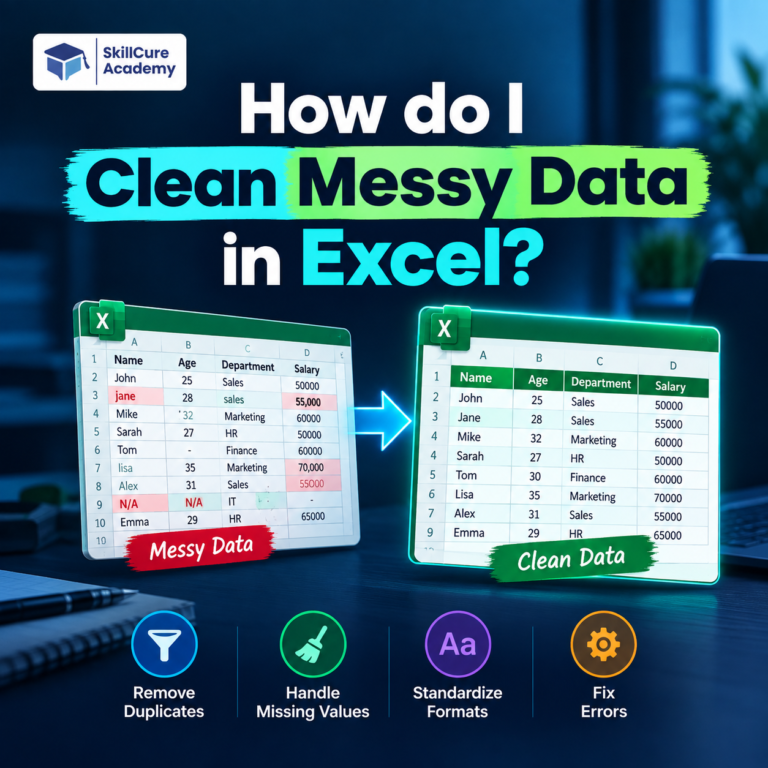
- Microsoft Excel.
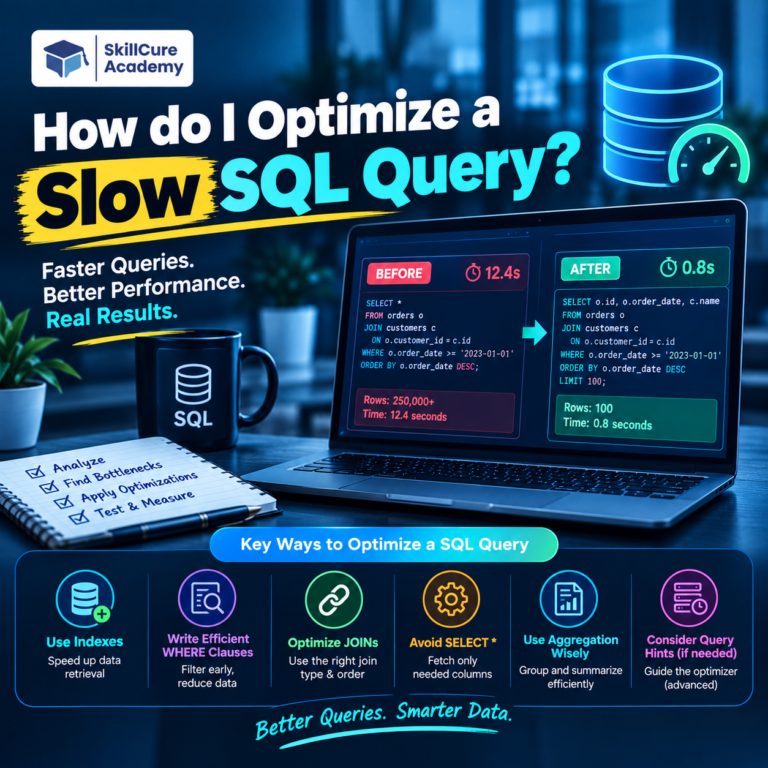
- SQL.
- Power BI.
- Tableau.
- Python.
Key Responsibilities of a Business Analyst:
- Analyzing business data.
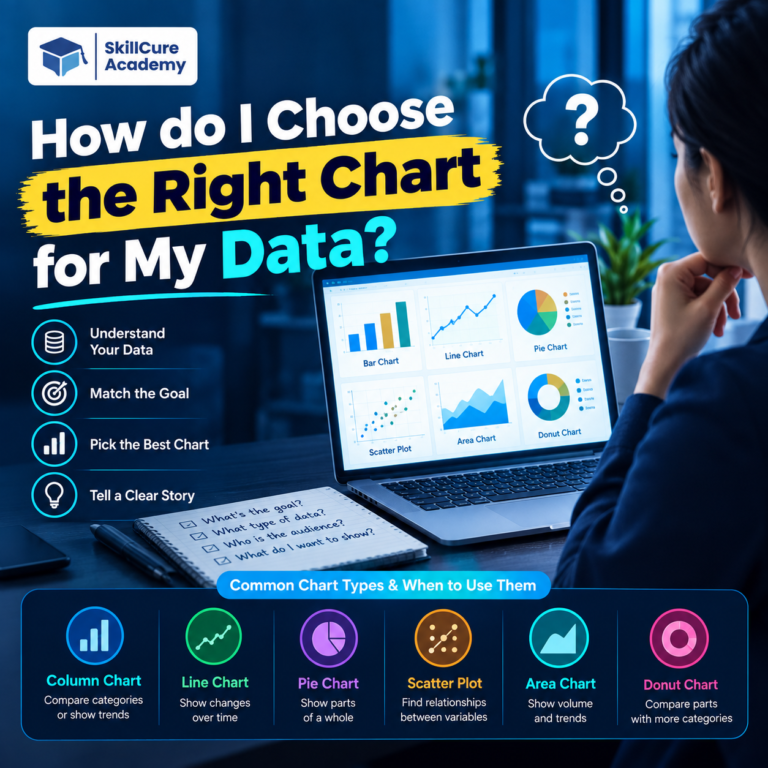
- Creating reports and dashboards.
- Identifying trends and patterns.
- Supporting strategic decisions.
- Improving business processes.
- Presenting insights to stakeholders.
Business Analytics professionals are in demand across industries because companies need data-driven insights to remain competitive.
What is an MBA?
A Master of Business Administration (MBA) is a postgraduate degree designed to develop business management and leadership skills.
MBA programs cover multiple business functions, including:
- Marketing.
- Finance.
- Human Resources.
- Operations.
- Strategy.
- Business Development.
Skills Developed Through an MBA:
- Leadership.
- Communication.
- Strategic Thinking.
- Team Management.
- Problem Solving.
- Decision Making.
MBA graduates typically move into managerial and leadership roles within organizations.
Business Analytics vs MBA: Quick Comparison?
| Parameter | Business Analytics | MBA |
|---|---|---|
| Focus Area | Data & Analytics | Management & Leadership |
| Duration | 3–12 Months | 1–2 Years |
| Cost | Lower | Higher |
| Technical Skills | High | Moderate |
| Leadership Skills | Moderate | High |
| Career Path | Analytics Roles | Management Roles |
| Demand in 2026 | Very High | High |
Key Difference:
The primary difference between Business Analytics vs MBA is that Business Analytics focuses on solving business problems using data, while MBA focuses on managing people, processes, and business strategies.
Skills Required for Business Analytics?
To build a successful career in Business Analytics, professionals should develop both technical and analytical skills.
Essential Technical Skills:
- Excel.
- SQL.
- Power BI.
- Tableau.
- Python.
- Statistics.
Important Soft Skills:
- Analytical Thinking.
- Communication Skills.
- Problem Solving.
- Business Understanding.
- Presentation Skills.
Candidates who enjoy working with numbers and data often find Business Analytics highly rewarding.
Skills Required for MBA?
MBA programs focus more on business management and leadership capabilities.
Essential MBA Skills:
- Leadership.
- Strategic Planning.
- Financial Understanding.
- Team Management.
- Negotiation Skills.
- Communication Skills.
Professionals who enjoy leading teams and making strategic decisions may find MBA a better fit.
Career Opportunities in Business Analytics?
The demand for analytics professionals continues to rise as businesses increasingly adopt data-driven strategies.
Popular Job Roles:
- Data Analyst.
- Business Analyst.
- Power BI Developer.
- Reporting Analyst.
- Analytics Consultant.
- Data Visualization Specialist.
Industries Hiring Business Analytics Professionals?
- IT & Technology.
- Banking & Finance.
- Healthcare.
- E-commerce.
- Retail.
- Consulting.
Business Analytics offers strong career opportunities for both freshers and experienced professionals.
Career Opportunities After MBA?
MBA graduates have access to a wide range of management positions.
Popular MBA Job Roles:
- Marketing Manager.
- Finance Manager.
- HR Manager.
- Operations Manager.
- Product Manager.
- Business Consultant.
Industries Hiring MBA Graduates:
- Banking.
- FMCG.
- Technology.
- Manufacturing.
- Consulting.
- Healthcare.
MBA graduates often progress faster into leadership positions compared to many technical roles.
Salary Comparison: Business Analytics vs MBA?
Salary is one of the most important factors when choosing between Business Analytics and MBA.
| Experience Level | Business Analytics | MBA |
|---|---|---|
| Entry Level | ₹4–10 LPA | ₹6–15 LPA |
| Mid-Level | ₹10–20 LPA | ₹12–25 LPA |
| Senior Level | ₹20–40+ LPA | ₹25–50+ LPA |
Factors Affecting Salary?
For Business Analytics:
- Technical skills.
- Certifications.
- Experience.
- Domain knowledge.
For MBA:
- Business school reputation.
- Work experience.
- Specialization.
- Leadership abilities.
While MBA graduates from top institutions often earn higher starting salaries, Business Analytics professionals can achieve significant salary growth through continuous upskilling.
Future Scope of Business Analytics and MBA?
Both career paths offer excellent opportunities in the coming years.
Future Scope of Business Analytics:
- Increasing demand for data-driven decisions.
- Growth of Artificial Intelligence and Automation.
- Rising adoption of Business Intelligence tools.
- Expanding opportunities across industries.
Future Scope of MBA?
- Continued demand for business leaders.
- Growth in consulting and product management roles.
- Strong opportunities in entrepreneurship.
- Increasing need for strategic decision-makers.
As organizations become more data-focused, professionals with analytics skills are expected to remain highly valuable.
Which Career Option Should You Choose?
Choose Business Analytics If You:
- Enjoy working with data.
- Like solving business problems analytically.
- Want a shorter learning path.
- Prefer technical and analytical work.
- Want faster entry into the job market.
Choose MBA If You:
- Want leadership and management roles.
- Enjoy managing teams.
- Are interested in business strategy.
- Aspire to executive-level positions.
- Plan to start your own business.
Your choice should align with your interests, strengths, and long-term career objectives.
Final Verdict.
When comparing Business Analytics vs MBA, both career options offer excellent growth opportunities in 2026. Business Analytics is ideal for individuals who enjoy working with data, technology, and business insights. It offers strong demand, lower investment, and excellent career prospects.
MBA is best suited for professionals seeking leadership, management, and strategic roles. It provides broader business knowledge and strong networking opportunities.
For many professionals, a smart career path is to start with Business Analytics, gain industry experience, and later pursue an MBA to move into leadership positions. This combination provides both technical expertise and managerial skills, making you highly valuable in today’s competitive job market.
Frequently Asked Questions (FAQs).
1. Which is better, Business Analytics or MBA?
Both are excellent career choices. Business Analytics is suitable for data-focused careers, while MBA is ideal for management and leadership roles.
2. Is Business Analytics a good career in 2026?
Yes. Business Analytics is one of the fastest-growing career fields due to increasing demand for data-driven decision-making.
3. Can I pursue an MBA after Business Analytics?
Yes. Many professionals gain experience in analytics before pursuing an MBA for leadership opportunities.
4. Which offers better ROI?
Business Analytics generally offers a faster ROI because of lower course costs and shorter duration.
5. Which has better future scope?
Both fields have strong future prospects, but Business Analytics is currently experiencing faster growth due to digital transformation and increasing data adoption.